8.5x
Baking Surfaces
“My base comes out pale and floppy”
The single biggest thing you can change about a home pizza is what it sits on. Here is what each material actually does, with numbers.
Open Baking SurfacesPizza gear ranked on published specs and arithmetic we show our work on.
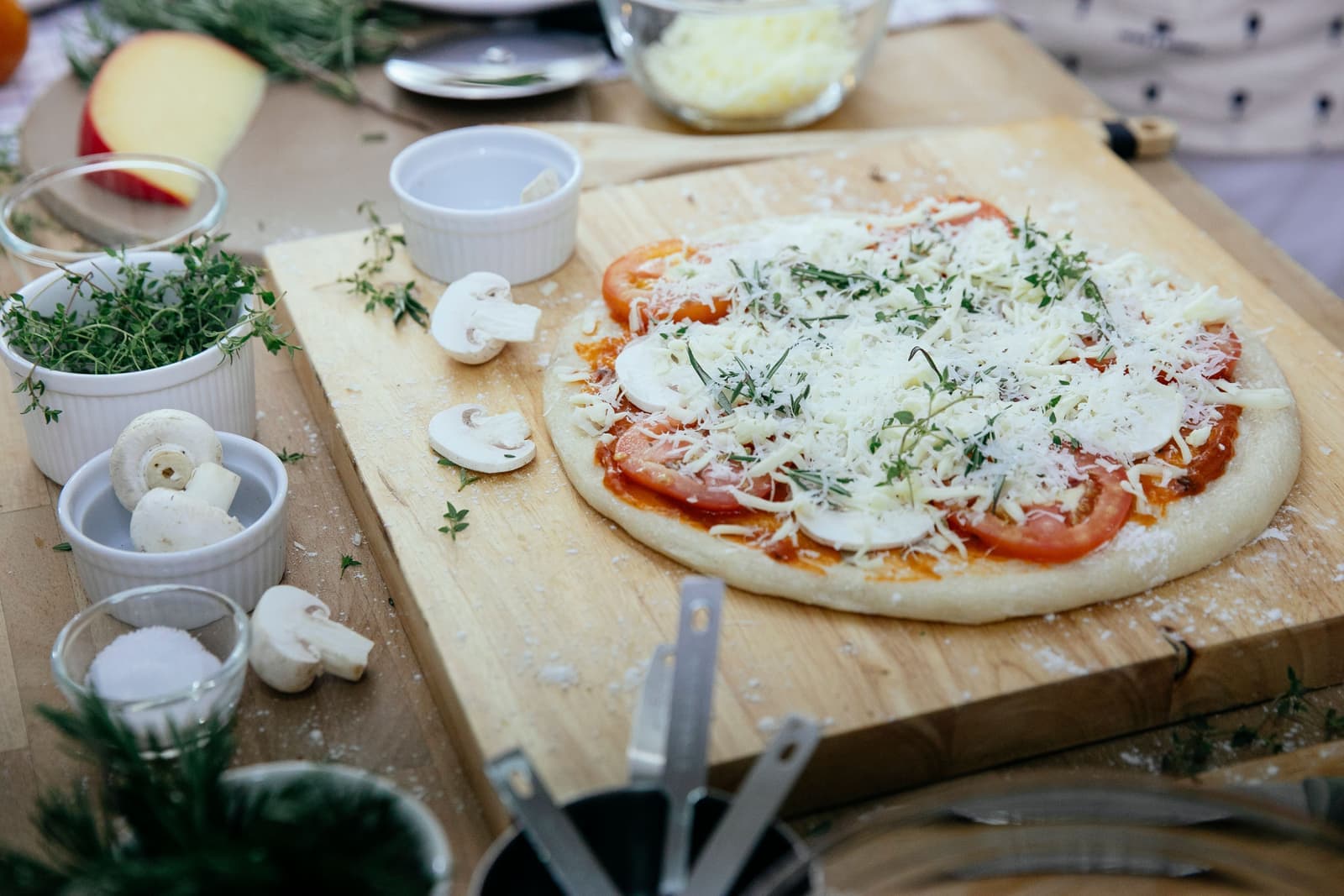
“My base comes out pale and floppy”
The single biggest thing you can change about a home pizza is what it sits on. Here is what each material actually does, with numbers.
Open Baking Surfaces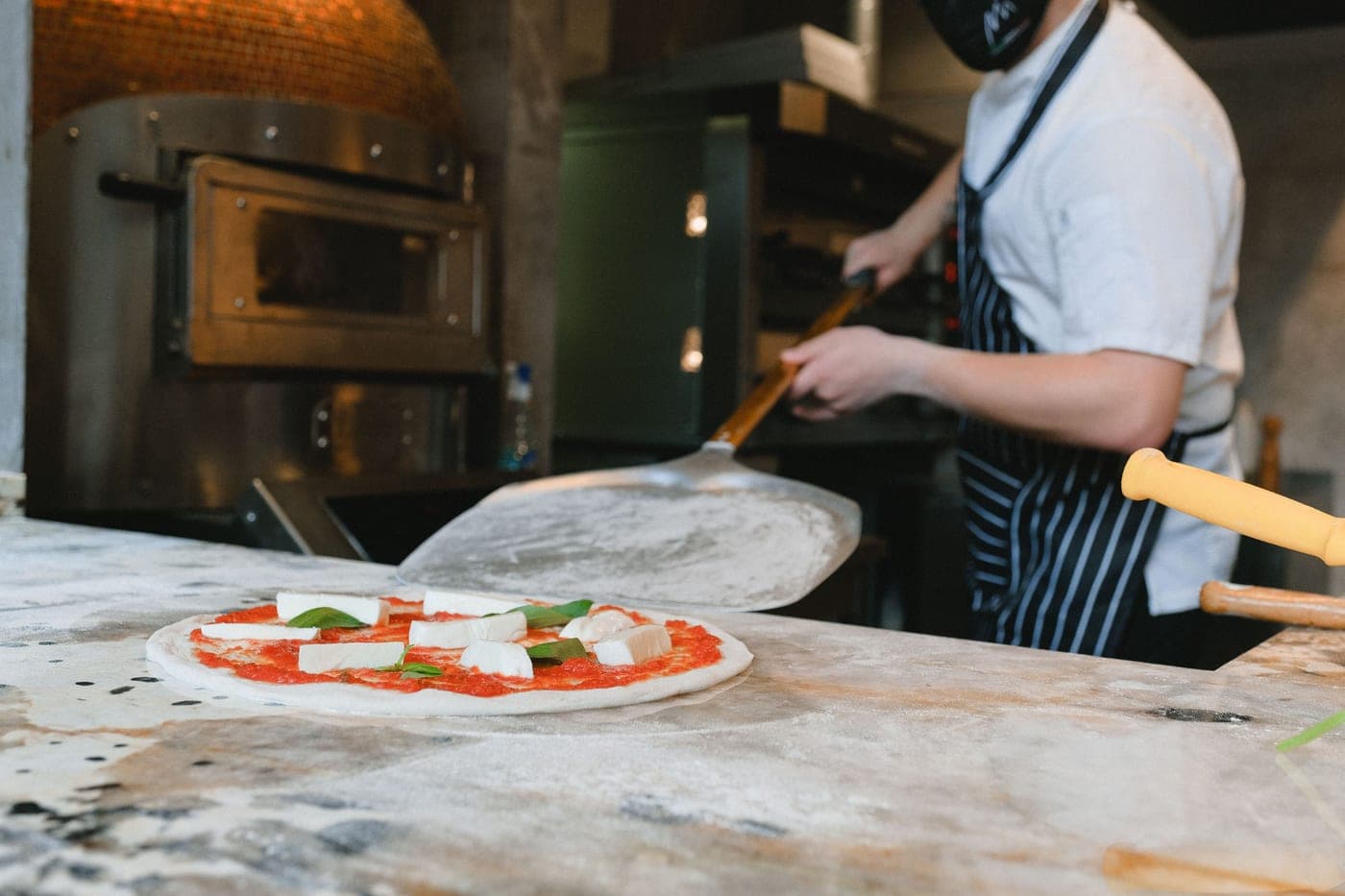
“It sticks to the peel and lands folded”
Launching is where home pizza fails most often, and it is a tool problem far more than a skill problem.
Open Peels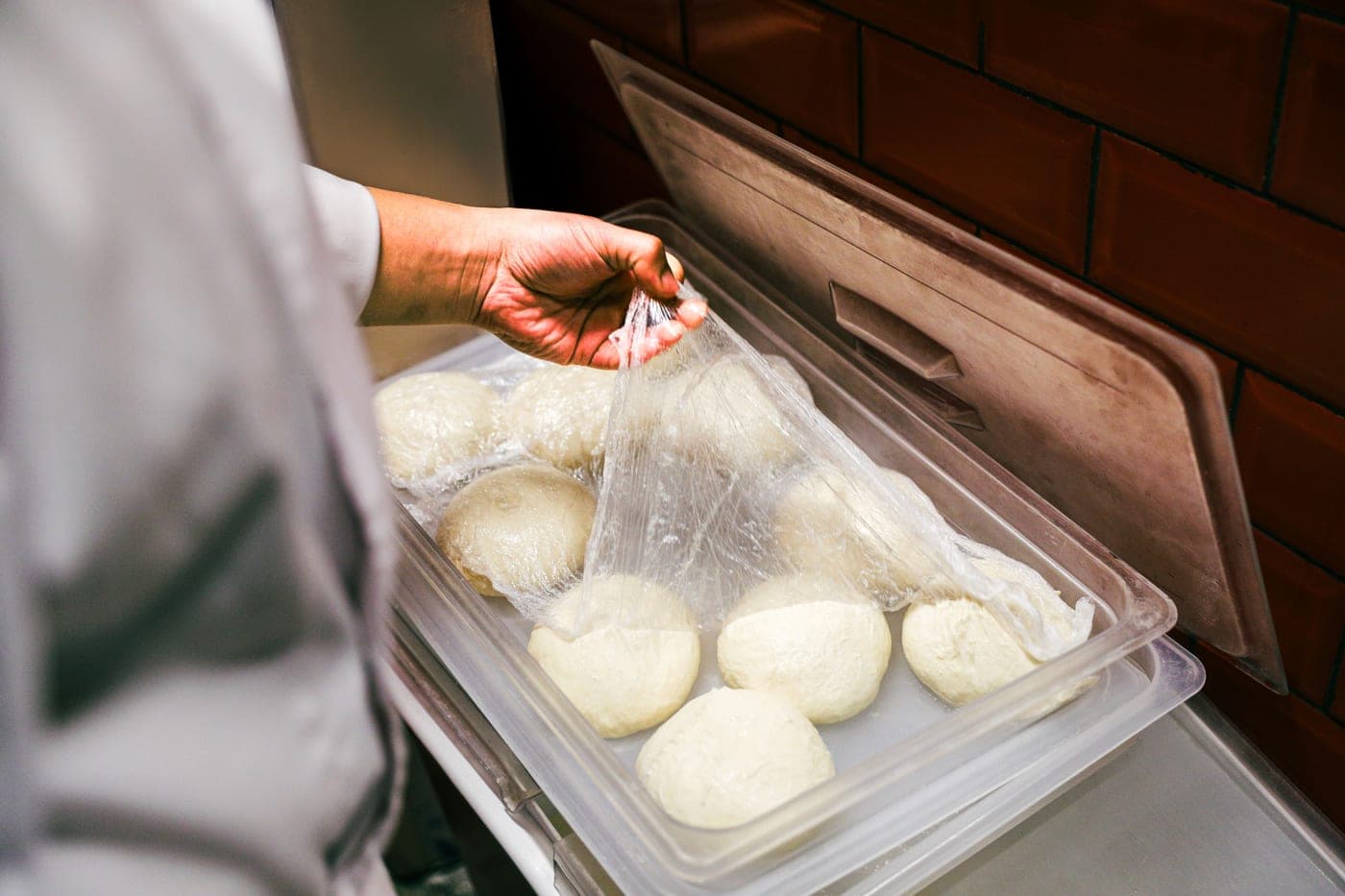
“My dough balls are different sizes and live in random tubs”
Every proofing guide in this category recommends restaurant equipment. Your fridge shelf is 18 inches deep. Let us start there.
Open Dough Tools
“I do not actually know how hot my stone is”
Your oven dial is not your surface temperature, and the gap between them is where most disappointing pizza comes from.
Open Heat & Measure
“I want to know what to fix first”
Four things decide your bottom crust. Most people change the wrong one first.
Open Crust School
“I am buying for someone else and have no idea”
Buying for someone else, or buying the first set of things. Both are the same problem: what gets used, and in what order.
Open Kits & GiftsEach of these took first place in a specific comparison, not a general one. The label on each card is the award it actually won.
FibraMent
The only stone here whose maker publishes a service temperature, a thickness and its own preheat procedure, and the published limits are far beyond anything a domestic oven can do to it.
#ad We hold no verified live price for this product, so we show none. How this site is funded.
Read why it won
Baking Steel
A quarter inch is the thickness where a steel stops being a novelty and stays a thing you can still lift. Its advantage over a stone is not preheat speed - it is what happens one second after the base lands.
#ad We hold no verified live price for this product, so we show none. How this site is funded.
Read why it wonUnicook
A rectangle uses an oven rack better than a circle does, and at 6.6 published pounds this is the lightest surface here that still holds a useful amount of heat.
#ad We hold no verified live price for this product, so we show none. How this site is funded.
Read why it won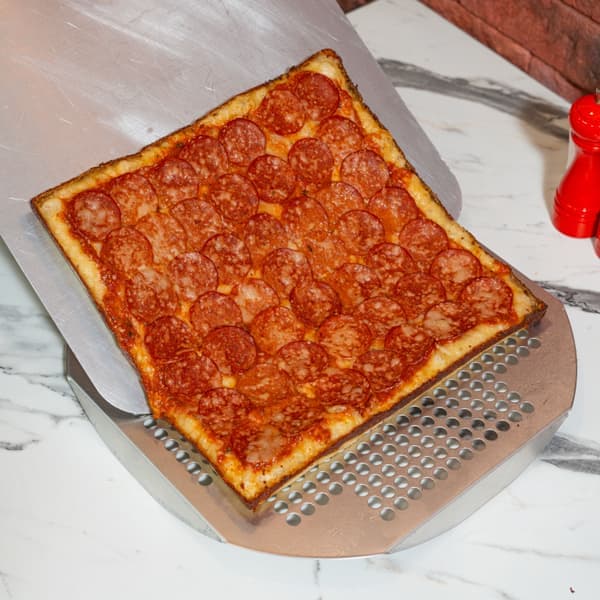
Ooni
Perforations let flour fall off before the pizza does, and 610 grams across 14 inches is light enough to keep the launch steady. The best single peel for a home oven if you are only buying one.
#ad We hold no verified live price for this product, so we show none. How this site is funded.
Read why it won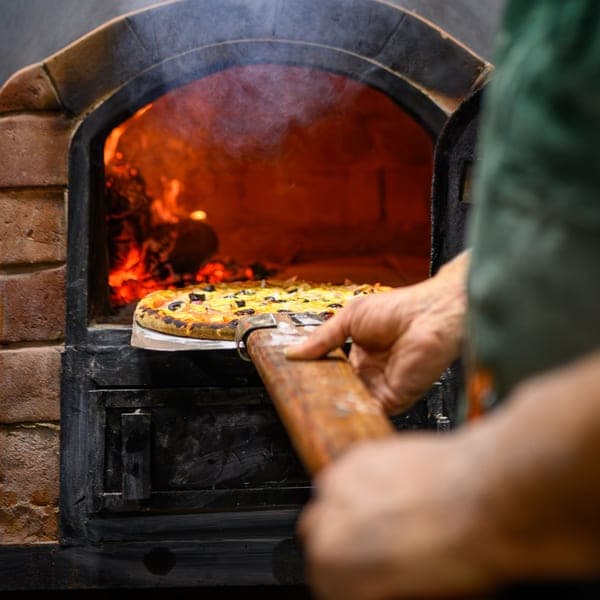
Ooni
A pound of aluminum on a 31.5-inch shaft. Its whole job is to lift and spin a pizza that is already cooking, and nothing else here can do that.
#ad We hold no verified live price for this product, so we show none. How this site is funded.
Read why it won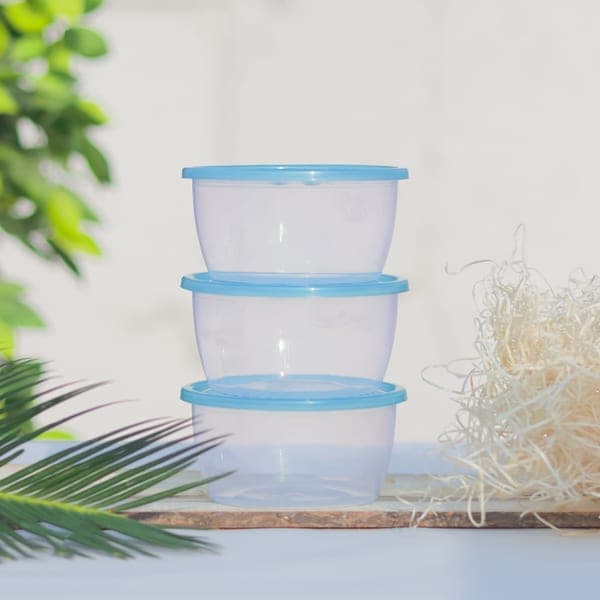
Ooni
Shallow, stackable and 3.7 inches tall, which makes this the only dough box here that clears a domestic fridge shelf. The maker publishes both the dimensions and the dough-ball count, which is more than the restaurant-supply options manage.
#ad We hold no verified live price for this product, so we show none. How this site is funded.
Read why it wonEvery guide in this category says it tested a dozen stones. Some of them describe six-week protocols and sixty pizzas, and then publish no photographs, no per-unit data, no temperature logs and no named tester. We have not baked on any of these products, and we would rather say that plainly than join in.
What we do instead: compile every published specification we can source and cite each one to the page it came from. Compute the thermal numbers - preheat curves, stored energy, effusivity - from published material constants, and show the working so you can re-run it on a calculator. Read the manufacturers' own manuals rather than paraphrasing what somebody else said about them. And where a maker publishes nothing, say so on the page instead of filling the gap with a number we invented.
That approach produced findings the rest of this category does not have. Carbon steel's thermal effusivity is 8.5 times cordierite's - not the 18 times you will read everywhere, which is a conductivity-shaped number being reused to describe stored energy. A quarter-inch steel is slower to preheat than a 16-inch stone, because the bottleneck is mass rather than conduction. And bakeware cordierite works out about 20 percent less dense than the textbook figure, which we only know because two makers published a weight alongside their dimensions.
The full method, the constants table and a worked example are here, including everything we assumed rather than measured.
0
Products we claim to have tested
0
Sponsored placements or paid rankings
0
Free products accepted from a maker
Three claims we refuse to make, rather than three things we lack. Alongside them: 45 pages, 36 products with sourced specifications, and 181 citations you can check.
What 00 actually designates, why it is matched to 800 F ovens rather than 500 F ones, and which flour suits which bake.
Why a proofing basket is a bread tool, what pizza dough actually needs from its vessel, and when a banneton does make sense.
Four proofing containers ranked by fridge fit first. The 6-quart everybody recommends is nearly 11 inches tall.
Rigid steel divides and lifts, flexible plastic clears a bowl. Three picks across both, with the blade dimensions that matter.
Four IR thermometers ranked on emissivity adjustment, optics and accuracy, with the fourth-root arithmetic on how far a fixed-0.95 gun reads low on steel.
Three scales ranked, plus the resolution arithmetic that shows why one scale cannot cover a whole pizza recipe.
What a dial oven thermometer is genuinely for, its published accuracy ceiling, and why an infrared gun does the more useful job.
Three cutters ranked on surface safety, cut quality and topping drag, with the published temperature limit that matters if you cut on the stone.
Peel & Flame earns a commission when you buy through a link on this site, at no extra cost to you. We are a participant in the Amazon Services LLC Associates Program. That is the entire business model and there is nothing else in it - no sponsored placements, no payment for rankings, and no free products accepted from any maker.
What it does not change: the order things appear in. Every ranking here follows from published specifications and our own published arithmetic, and where the cheaper option is the better one - which happens often on this site - that is what we say. The full disclosure and our editorial policy, including the list of claims we have banned ourselves from making.